
Repair Old Photos
Repair old photos that have been scratched, torn, folded or water-damaged. Rather than blurring damage away, the model reconstructs what was underneath it, using the surrounding image as its guide.
Upload a scan or a phone photo and repair old photos online — no software to install. Scratches, tears, creases, water damage and years of fading are handled in one pass, and the free preview shows the repaired result before you spend anything.
Repair a Damaged Photo
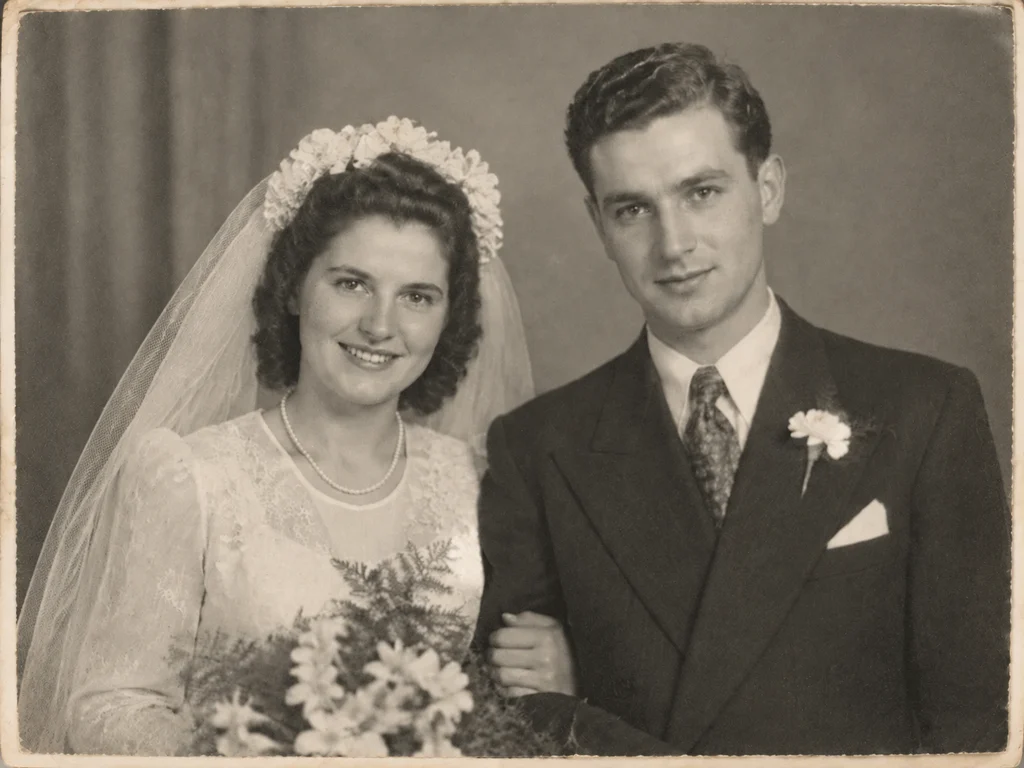
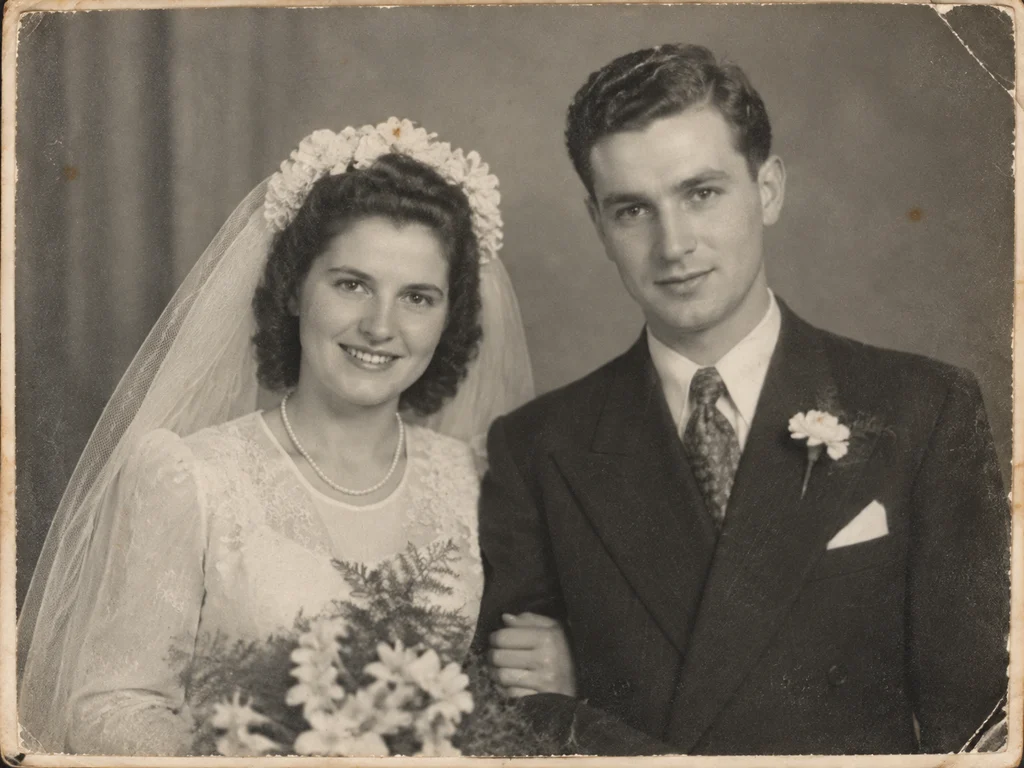 BeforeAfter
How Old Photo Restoration Works
Upload your old photo
Drop in a scan, a print photo or a phone snapshot of an album page. We accept JPG, PNG, WEBP and HEIC up to 20MB.
Pick a restoration mode
Choose restore, colorize, repair or animate. Each mode runs a model tuned for that specific kind of damage.
Download the result
Preview free at reduced resolution, then download the full-resolution file once you are happy with it.
Fix Scratches and Tears
Long scratches across a face and torn corners are the two most common problems in family collections. Both are reconstructed from neighbouring pixels, so the repair holds up when the photo is enlarged or printed.
Remove Stains, Dust and Creases
Water stains, foxing, chemical discolouration and album dust are separated from the underlying image and lifted out. Folds that have cracked the emulsion are filled in and blended with the surrounding tone.
Recover Faded Detail
Prints from the mid-twentieth century often lose contrast before they lose information. The model stretches the surviving tonal range back out, bringing faces and backgrounds out of the haze without clipping highlights.
Water Damage, Mould and Missing Corners
Water leaves the worst injuries: bleached blooms across the emulsion, mould spots that eat into the image, and album pages that stuck together and tore. These are rebuilt the same way scratches are — from the surviving image around them — so a flood-damaged photograph can usually be brought back, not just stabilised.
Missing corners and torn-away borders are reconstructed with a plausible continuation of the background, and the result is honest about its limits: detail that was never captured is approximated, never invented as a new scene. The preview shows exactly how far each repair goes.
What Makes AI Restoration Different
Old photo restoration used to mean hours in an editor: cloning out dust spot by spot, hand-painting over scratches, guessing at torn edges. The AI models behind this tool are neural networks trained on millions of historical photographs, so they recognise what damage looks like and reconstruct what was underneath it in one pass.
Because the work is done by machine learning rather than a fixed filter, each photo is assessed individually — a faded 1970s snapshot and a cracked studio portrait from the 1930s get different treatment. Deep learning handles the judgement a human retoucher would, at the speed of an upload.
High-Resolution, Print-Ready Downloads
Restoration runs at up to four times the scanned resolution, so the download is a full-size, high-resolution file — sharp enough for a framed print, a photo book or an archive submission. Detail that survives in the original, from fabric weave to handwriting on the border, is rebuilt rather than smoothed away.
The free preview shows the same result at reduced resolution so you can judge the work before paying; paid credits unlock the clean, full-resolution file with no watermark, in the aspect ratio your original has.
Old Photos for Genealogy and Family History
Restored photographs are the records genealogy work is missing. Census pages and certificates name your ancestors; only the photographs show them. Repairing and colourising a family collection turns names in a family tree into faces you can study — resemblances you might still recognise in relatives living today.
Libraries, genealogy societies and local history archives accept clean, high-resolution scans, and every download here is a full-size file you can deposit or share. Many families restore one photograph per generation — a set that makes a family history book feel complete.
- Put a face to a name in your family tree — restored portraits make ancestry research easy to share with relatives.
- Full-resolution downloads are accepted by genealogy societies, local archives and family history publications.
- Likenesses are preserved, not invented — important when a photograph is part of a documented family record.
FAQ
Frequently asked questions
- What kinds of damage can you repair?
- Scratches, tears, creases, stains, dust and spotting are reconstructed from the surrounding image instead of being blurred over. Torn edges and missing corners are rebuilt so the photo holds up in print.
- Will the repair change the faces?
- The model is tuned on family portraits and rebuilds only what is damaged — facial structure, expressions and likenesses stay as they were. You can judge the result yourself in the free preview before paying.
- My photo is a picture of a picture — an album page photographed with a phone. Does that work?
- Usually yes. Crop to the photo’s edges if you can, avoid glare, and make sure the whole photo is sharp. The repair model handles mild perspective and re-photographing artifacts.
- Can severe damage be fixed?
- Most of it. Deep tears and large missing areas are rebuilt with plausible detail, but detail that was never captured cannot be recovered — the preview shows you exactly what to expect before you spend a credit.
- Can water-damaged or mouldy photos be repaired?
- Usually, yes. Water stains, mildew spots and the bleaching they leave behind are separated from the underlying image and reconstructed from the surrounding detail. Heavily affected areas come back as plausible reconstructions — the preview shows how far each repair can go.
- Do you repair photos for genealogy and archive projects?
- Yes. Repaired photos keep their original likeness and framing, and downloads are full-resolution files suitable for family history books, genealogy records or archive deposits. Batch credits keep a large collection consistent.
Sources & further reading
The preservation guidance on this page is checked against public institutions. These are the primary sources we cite across the site and in our guides.